

Quick Summary
Commercial exterior renderings help developers, architects, and commercial real estate teams communicate design intent more clearly during city review. When reviewers can see scale, materials, streetscape impact, landscaping, lighting, circulation, and surrounding context, they can better understand what is being proposed before construction begins. For commercial, retail, mixed-use, hospitality, office, and public-facing developments, professional visualization can support planning presentations, reduce confusion, and help approval teams respond to a project with more confidence.
- City approvals often slow down when reviewers, decision-makers, or community stakeholders cannot clearly visualize the finished project.
- Commercial exterior renderings turn technical plans into realistic visuals that show how a building will look and function in its actual setting.
- Renderings can help clarify massing, materials, pedestrian flow, signage, landscape design, parking, lighting, and street-level impact.
- High-end 3D visualization supports architects, developers, and real estate teams during entitlement, design review, investor conversations, and public presentations.
- A polished exterior rendering package can reduce miscommunication, limit late-stage redesigns, and help project teams present a stronger case for approval.
- Construction delays and inefficiencies carry higher stakes when nonresidential construction costs have risen sharply, making clear communication earlier in the process more valuable.
Why City Approvals Need Clearer Commercial Project Visualization
A commercial project can be well designed and still run into approval delays if the people reviewing it cannot clearly picture the finished space. Site plans, elevations, and material boards are necessary, but don’t always communicate how a building will feel from the street, how it fits into the surrounding area, or how pedestrians, drivers, tenants, and visitors will experience it.
For developers and architects, that lack of clarity can slow down city review, create unnecessary back-and-forth, and lead to questions that could have been answered visually. Commercial exterior renderings help close that communication gap by giving planning departments, design review boards, investors, and community stakeholders a realistic view of the project before construction begins.
At Bowen Studios, our commercial exterior renderings help project teams turn architectural plans into clear, photorealistic visuals that support approval meetings, public presentations, and commercial development decisions. For office, retail, mixed-use, hospitality, and public-facing properties, our office and commercial renderings help teams present design intent with the context and detail needed for planning review, stakeholder meetings, and investor presentations.
Why Commercial Projects Get Stuck in City Review
Commercial approvals often involve people with different priorities. Architects may focus on design intent, developers may focus on timing and budget, and city reviewers may focus on zoning, materials, scale, neighborhood compatibility, pedestrian access, traffic flow, signage, and public-facing design. When those groups are working from flat drawings alone, important details can be misunderstood or overlooked.
Public review also brings technical and non-technical audiences into the same conversation. Los Angeles City Planning explains that public hearings for proposed developments may include a planner presentation, applicant input, public feedback, and decision-maker review before a formal recommendation is issued. That kind of process requires more than accurate drawings. It requires approval visuals that help people understand what the project will actually look like from the street, from neighboring properties, and from the public spaces around it.
Common approval challenges include:
- Reviewers struggling to understand how the building will look from key public viewpoints
- Planning boards requesting additional visual materials before moving forward
- Community members pushing back because they cannot visualize the project’s real impact
- Developers facing redesigns after visual concerns surface late in the process
- Ownership groups hesitating because the project does not feel fully formed
- Architects spending extra time explaining what a realistic visual could show immediately
Approval delays often come from unclear communication around scale, materials, site context, or public impact. A strong commercial exterior rendering package helps translate architectural intent into imagery that planning teams, public stakeholders, investors, and internal decision-makers can understand.
How Commercial Exterior Renderings Help Speed Up City Approvals
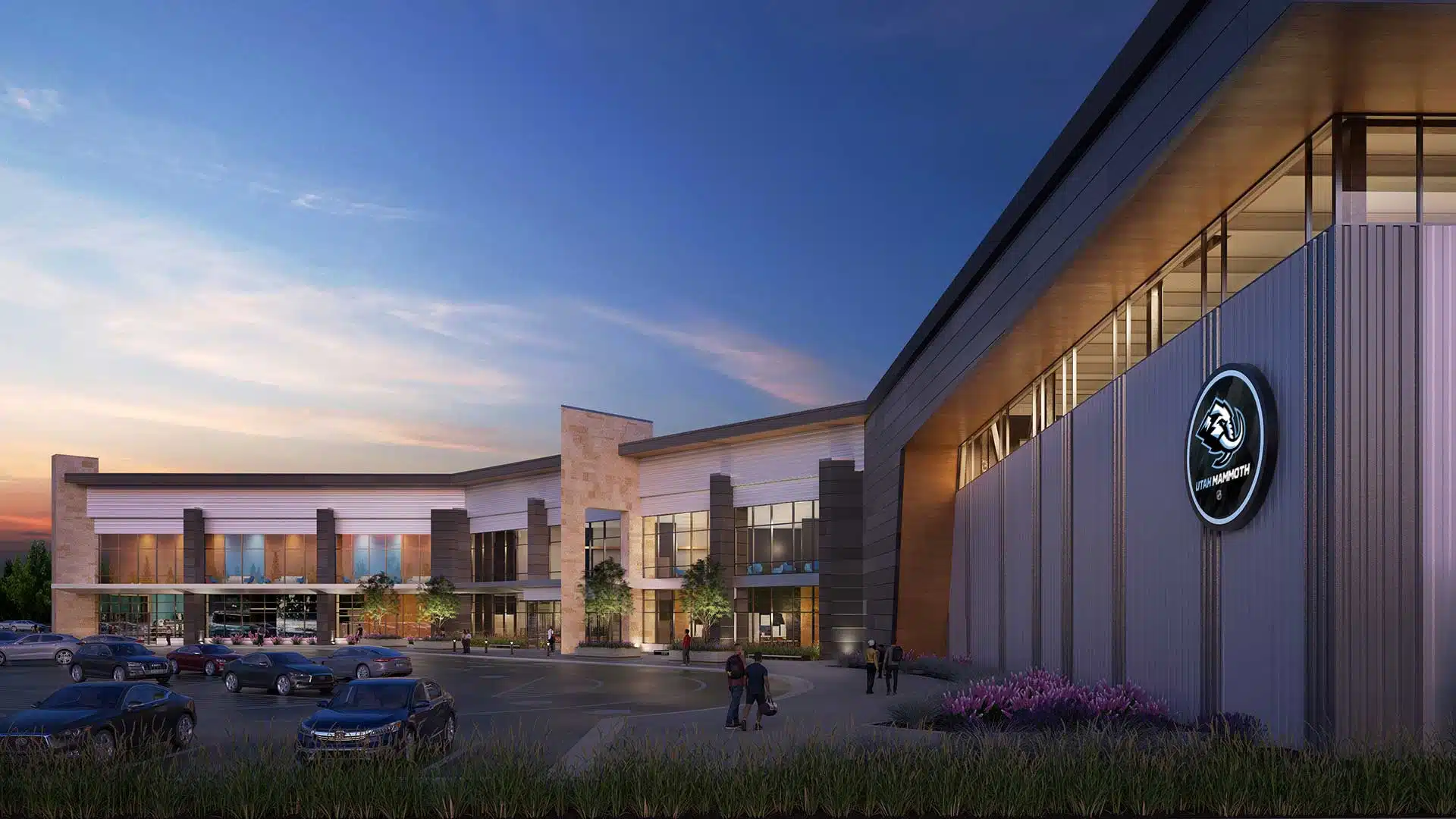
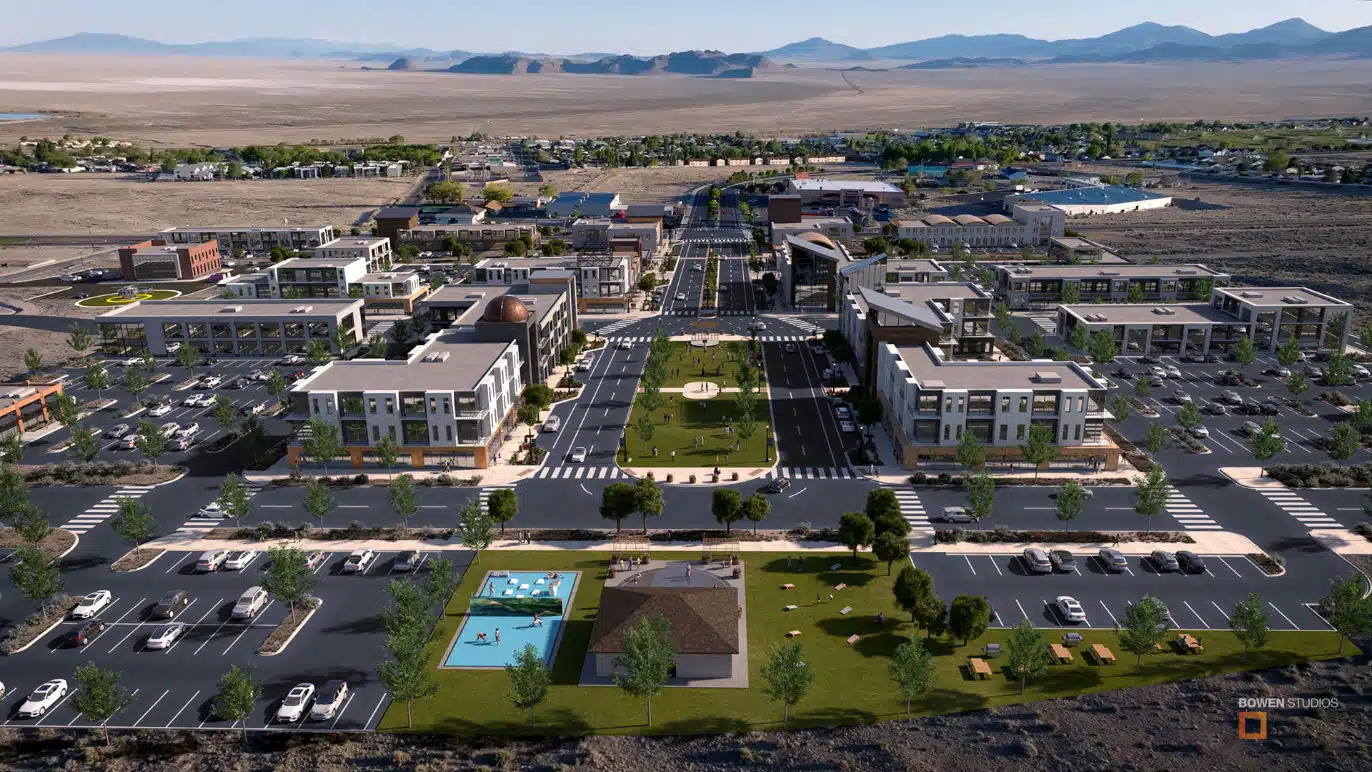
Professional 3D rendering services give city reviewers and stakeholders a clearer understanding of a project’s scale, use, design quality, and relationship to its environment by showing the building alongside streets, sidewalks, landscaping, vehicles, people, access points, neighboring structures, and surrounding site conditions.
The American Planning Association explains that three-dimensional experiences can communicate differently than two-dimensional plans because they help answer questions about how a space will feel, how wide it will be, and how tall something is. The same source also notes that this type of visualization can reduce confusion, help identify potential issues, and support stakeholder needs earlier in the process. For commercial approval packages, that means 3D exterior views can help reviewers see how design choices affect the full site experience.
Exterior visualization can support city approvals by clarifying:
- Site Context: How the building fits into nearby streets, sidewalks, parking areas, landscape zones, and adjacent properties.
- Materials and Finishes: How glass, brick, metal panels, stone, wood accents, lighting, and landscape elements work together.
- Scale and Massing: How the project appears from pedestrian-level, street-level, neighboring-property, and aerial renderings.
- Public Experience: How signage, lighting, entry points, circulation, and pedestrian flow shape the way people approach and use the property.
- Presentation Readiness: How the project can be shown during entitlement meetings, planning commission reviews, neighborhood presentations, and investor discussions.
For larger commercial projects, still renderings may also be paired with 3D animation to show movement through the site, arrival sequences, traffic flow, building entrances, or the relationship between multiple structures. These visual tools can help decision-makers understand the project as a real environment instead of a set of separate documents.
Bring Clarity to Your Next Approval Package
If your project needs to move through city review, investor approval, or stakeholder presentations, Bowen Studios can help turn your plans into clear, polished, photorealistic visuals. Our team creates exterior renderings and commercial visualization packages that give reviewers a stronger sense of scale, materials, access, and streetscape impact before construction begins.
Why Strong Visualization Builds Confidence With Reviewers
The strongest commercial exterior renderings make a project look polished while also helping decision-makers understand how the site will work in the real world. For approval-focused projects, that means showing how the building fits the site, how people approach it, how the streetscape changes, and how design choices respond to planning concerns.
This is especially important for commercial and public-facing spaces because the surrounding environment can shape how a project is received. Bowen Studios has written about the role of architectural visualization in urban planning and how clear project imagery can help people understand public spaces before they are built. In approval settings, that same visual clarity can help city staff, community members, investors, and project teams respond to the same scale, materials, site layout, and public-facing details.
High-quality renderings can also show how a space may feel once people begin using it. Details like vehicles, pedestrians, outdoor seating, landscaping, entry activity, and public circulation can make a commercial project easier to understand. Our work with realistic human activity helps clarify scale, movement, and function, which can be valuable when a project needs to show more than the building shell.
Basic Renderings vs Approval-Ready Commercial Visualization
Basic renderings often show the general building form without giving reviewers enough context around scale, access, materials, public views, or neighborhood fit. A simple exterior image may not answer the questions reviewers are likely to ask about scale, access, materials, public views, or neighborhood fit.
High-end commercial exterior renderings are built around those questions. They show the project from strategic review angles, include surrounding streets and site elements, clarify materials and lighting, and help reviewers understand the building’s relationship to the public realm. Approval-ready visualization should combine polished imagery with the practical details reviewers and stakeholders need, including planning context, investor confidence, leasing potential, and development decisions.
For Bowen Studios, approval-ready visualization means thinking about how the image will be used. A rendering for a planning board may need a different viewpoint than one created for a leasing deck. An aerial image may help explain site circulation, while a pedestrian-level view may better show storefront presence, entry experience, or sidewalk activity. When each visual is built around the decision at hand, reviewers can focus on the details that affect approval, investment, leasing, or design direction.
The Business Value of Faster, Clearer Approvals
Approval delays can affect budgets, financing, leasing timelines, construction schedules, and investor confidence. Commercial exterior renderings help reduce risk by giving teams stronger communication tools early in the process, before misunderstandings become expensive revisions or repeated review cycles.
The broader construction market makes that early clarity even more important. McKinsey reports that construction productivity improved only 10 percent between 2000 and 2022, compared with 50 percent for the total economy, and that U.S. nonresidential construction prices rose 52 percent between 2015 and 2023. In that environment, delays, inefficient coordination, and preventable redesigns carry higher stakes for commercial development teams.
Professional renderings can support business outcomes such as fewer misunderstandings during city review, stronger investor and ownership presentations, better pre-leasing materials, clearer communication between architects and consultants, and reduced risk of late-stage changes caused by unclear expectations. For commercial developers, the value of a rendering package often extends beyond one approval meeting because the same visuals can support financing, leasing, public relations, sales, and long-term marketing.
Immersive Tools Make Commercial Projects Easier to Review Anywhere
Commercial development decisions do not always happen in one room with one set of drawings. Investors, ownership groups, city staff, consultants, and stakeholders may need to review the project from different locations, often at different points in the approval process.
Immersive visualization tools give those groups a clearer way to review the project without relying on a single meeting or static drawing set. Aerial views, animated flythroughs, and 3D virtual tours can help teams explore a project remotely, review key angles, understand site relationships, and share the vision with people who cannot attend every meeting in person.
For larger commercial, mixed-use, office, resort, entertainment, or public-facing projects, this accessibility can be especially valuable. It gives stakeholders a stronger sense of place before construction starts and helps the project feel more real earlier in the approval process.
Move Your Approval Package Forward With Bowen Studios
City approvals become easier to navigate when reviewers, stakeholders, and decision-makers can clearly see the project’s scale, materials, site context, and public-facing design. Bowen Studios creates commercial exterior renderings, animations, aerial visuals, and virtual tour experiences that help projects feel clear, realistic, and presentation-ready. To create visuals that support your next approval package, reach out to Bowen Studios and start building a clearer presentation before construction begins.
The questions below cover a few common details project teams consider when planning approval-focused exterior renderings.
Frequently Asked Questions About Commercial Exterior Renderings
How Do Commercial Exterior Renderings Help With City Approvals?
Commercial exterior renderings help city reviewers understand how a proposed building will look, fit, and function within its actual setting. They can clarify scale, materials, landscaping, circulation, signage, lighting, and street-level impact in a way that technical drawings alone may not fully communicate.
When Should Developers Create Exterior Renderings for City Review?
Exterior renderings are most useful before major approval meetings, planning commission presentations, design review hearings, entitlement submittals, investor presentations, or community meetings. Creating them early can help project teams identify visual concerns before those concerns lead to delays or redesign requests.
What Should Be Included in an Approval-Focused Rendering Package?
An approval-focused rendering package should include views that answer the most important questions reviewers may have. This often includes street-level views, pedestrian perspectives, aerial context, material accuracy, landscaping, lighting, parking or access areas, signage, and surrounding site context.
Sources
- Los Angeles City Planning, “Public Hearings”
- American Planning Association, “Virtual Horizons”
- McKinsey, “Delivering on Construction Productivity Is No Longer Optional”