

Quick Summary
Sustainable architecture often relies on systems and strategies that are difficult to understand without technical training. While architects may describe energy performance, material efficiency, or environmental impact in detail, many stakeholders struggle to visualize how these choices actually function within a building. High-quality 3D rendering bridges that gap by translating complex sustainability concepts into clear, visual explanations that support better understanding and more confident decision-making.
- 3D renderings help explain how green technologies work together across the entire building development process.
- Visualization serves as an educational tool that enables non-technical audiences to quickly grasp environmental benefits.
- Clear visual communication aligns expectations early and helps sustainability feel like an integrated design strategy.
The Real Question Is, How Do 3D Renderings Reduce Risk?
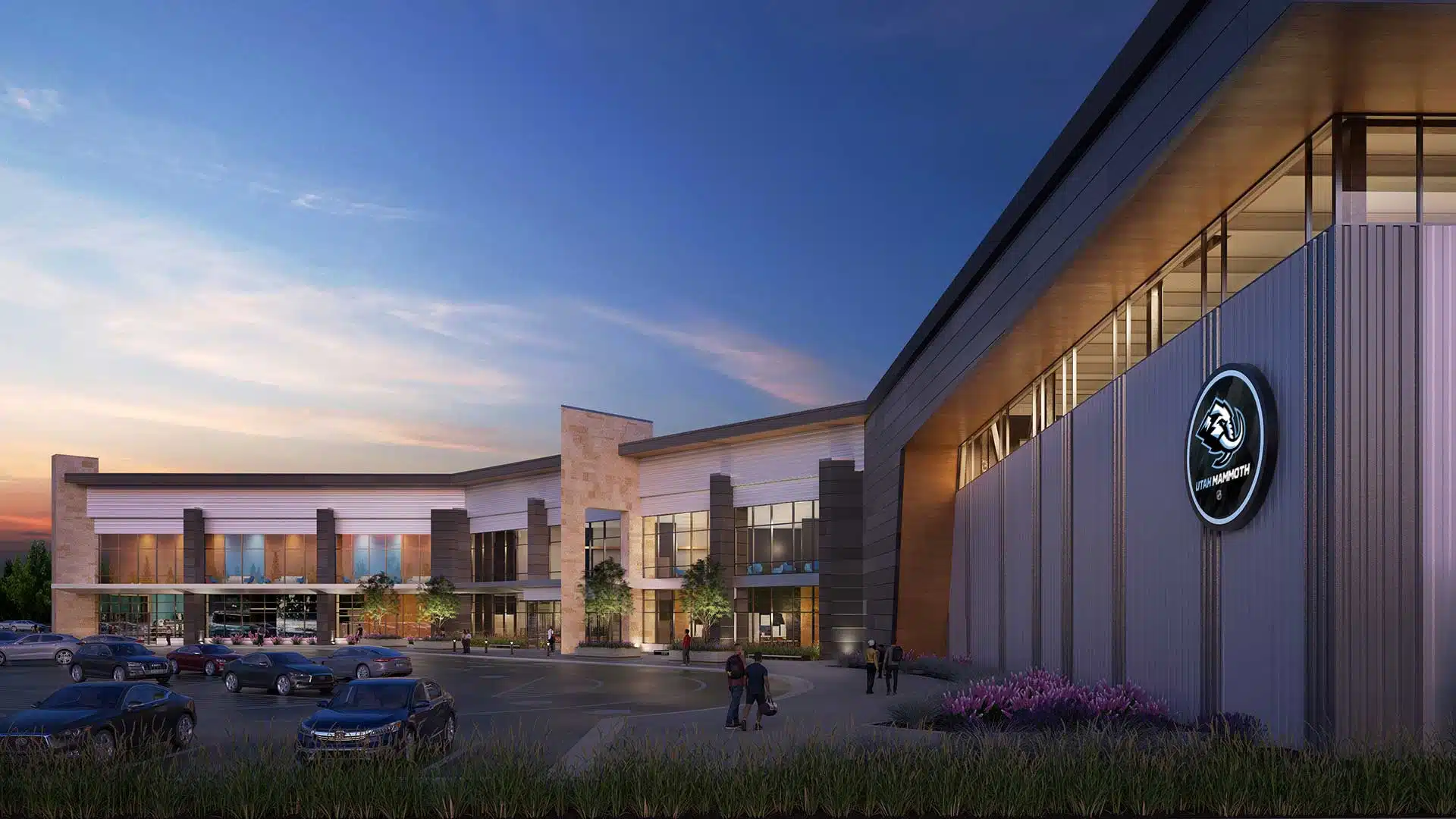
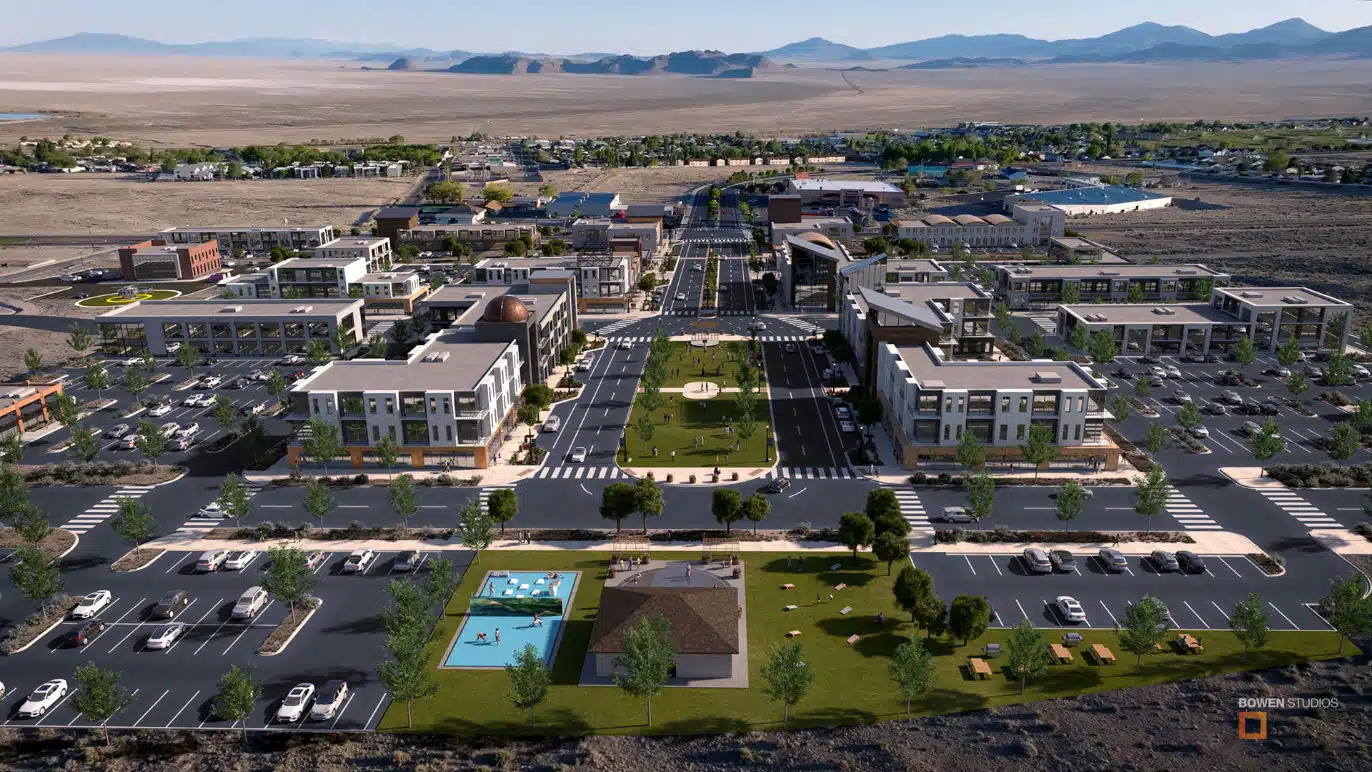
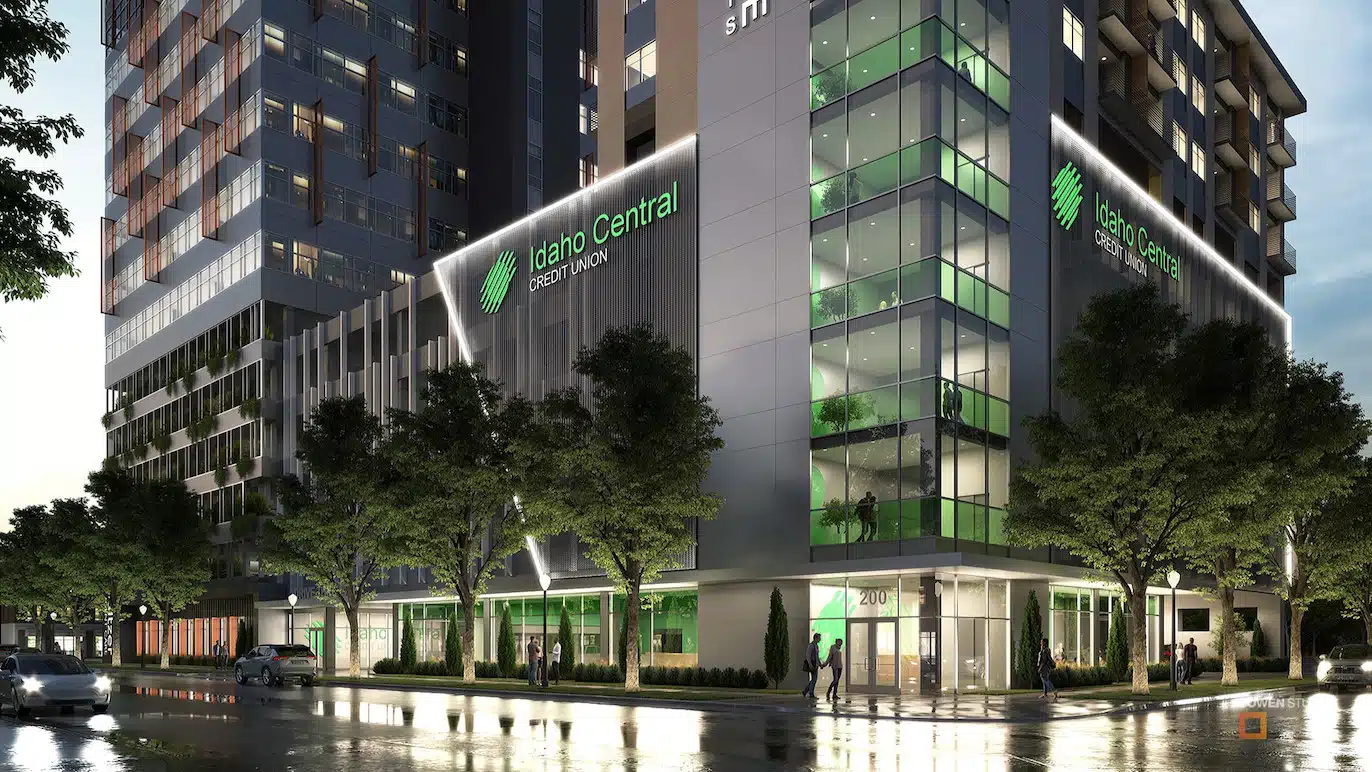
High-quality renderings replace technical descriptions with clear visuals that show how solar orientation, passive cooling, green roofs, material choices, and daylighting work together in context. This visual clarity helps surface questions early, aligns stakeholders around what is being approved, and prevents late-stage revisions. By turning abstract sustainability concepts into visible, understandable design decisions, 3D renderings reduce misalignment and support more confident approvals.
Sustainable design choices often lose momentum when they are communicated only through technical language. Many environmentally responsible strategies operate at a systems level and require stakeholders to imagine performance, interaction, and long-term impact. When clients, investors, or planning boards are asked to approve concepts they cannot clearly picture, uncertainty and hesitation tend to follow.
3D renderings close that understanding gap. By showing how sustainable systems function visually within a real building environment, renderings allow stakeholders to see outcomes rather than interpret intent. This shift from explanation to visualization reduces risk by replacing assumptions with shared clarity early in the decision-making process.
Visualizing Sustainable Design Beyond Technical Drawings
Technical drawings are essential for construction, but they are not designed to communicate experience. Plans, sections, and elevations convey accuracy, yet they often leave non-technical audiences disconnected from how a building will actually function and feel.
3D renderings translate complex environmental strategies into accessible visuals that make sustainability tangible. Instead of reading about solar orientation, viewers can see how roof angles, shading, and panel placement respond to the sun. Instead of interpreting airflow diagrams, they can understand how courtyards, openings, and material choices support passive cooling.
This visual translation helps sustainability move from an abstract concept to a concrete understanding. It allows stakeholders to engage with environmentally responsible design in a way that feels intuitive and grounded in a real-world context.
Helping Non-Technical Stakeholders Understand Eco Design
Visualization plays an important educational role in sustainable development. Many people responsible for approving projects do not have formal training in green building systems, yet they must evaluate design decisions quickly and confidently.
High-quality 3D animation allows non-technical audiences to better understand how sustainable systems operate over time. By illustrating airflow, daylight movement, and spatial transitions, animation helps clarify how environmental strategies function together in ways static images alone cannot.
This includes clearly depicting:
- Solar panels integrated into roof forms with accurate scale and orientation
- Passive cooling strategies such as shading devices, ventilation paths, and thermal mass
- Green roofs are shown as functional systems that contribute to insulation and water management
- Daylight optimization through window placement, glazing, and interior light behavior
- Recycled or low-impact materials presented as finished surfaces within realistic settings
When stakeholders can see these elements working together, they are better equipped to ask informed questions, evaluate trade-offs, and understand the long-term value of sustainable design choices.
Sustainability as a Story, Not a Checklist
Sustainability is most compelling when it is presented as part of a cohesive architectural narrative. When green features are framed as a checklist of requirements, they can feel disconnected from the overall design intent.
3D renderings help architects tell a more complete story. Environmental strategies are shown as integral to form, materiality, and experience rather than as technical add-ons. Virtual tours further support this by allowing stakeholders to move through a project and understand how sustainable features influence daily use and spatial flow. This approach reinforces the idea that sustainability is a design driver, not a constraint.
By visually connecting environmental responsibility to aesthetics and usability, renderings help stakeholders see sustainability as an intentional and meaningful part of the project rather than a collection of isolated features.
Reducing Risk and Misalignment in Green Projects
Environmentally responsible projects often involve higher expectations around performance, cost, and long-term value. Misunderstandings in any of these areas can quickly create friction.
Visual clarity helps prevent these issues by aligning expectations early. Renderings make it easier to confirm that everyone shares the same understanding of design intent, scope, and integration before construction begins.
This alignment helps reduce:
- Late-stage revisions caused by misinterpretation
- Budget concerns tied to unclear assumptions
- Performance questions that surface too late in the process
Why Sustainable Projects Require Higher Visualization Standards
Sustainable developments place greater demands on visualization quality. Because these projects often emphasize environmental performance and long-term impact, credibility matters. According to the U.S. Green Building Council, the benefits of green building include measurable improvements in energy efficiency, emissions reduction, and resource conservation, making it especially important that these outcomes are communicated clearly and accurately.
Lighting must reflect real conditions. Materials must feel accurate and intentional. Environmental context should reinforce claims about efficiency, durability, and integration with surroundings. Lower-quality visuals can undermine trust, even when the design itself is strong. High visualization standards help ensure that sustainability is communicated with clarity and authenticity.
Choosing a Rendering Partner Who Understands Sustainable Architecture
Not all rendering partners approach sustainability with the same depth of understanding. Green-focused developers and architectural firms benefit from working with teams who can accurately communicate environmental intent, not just produce attractive images.
When evaluating a visualization partner, it is important to look for:
- Material literacy and familiarity with sustainable finishes
- Awareness of environmental systems and how they influence design
- The ability to communicate experience through lighting, context, and composition
- A collaborative approach that supports architectural intent
Consistency, responsiveness, and the ability to adapt as sustainable designs evolve are often just as important as visual quality, especially on projects where environmental strategies are refined over time.
“Thank you for being such a great partner this year. The support, flexibility, responsiveness & professionalism you & your team consistently provide have made a meaningful difference & we appreciate it.”
DH, Home Builder, North Carolina
Studios like us here at Bowen Studios bring experience translating complex environmental strategies into visuals that support understanding, alignment, and informed decision-making. Reach out today to talk through how clear, sustainability-focused visualization can support better alignment, stronger approvals, and more confident decision-making on your next project.