


Quick Summary
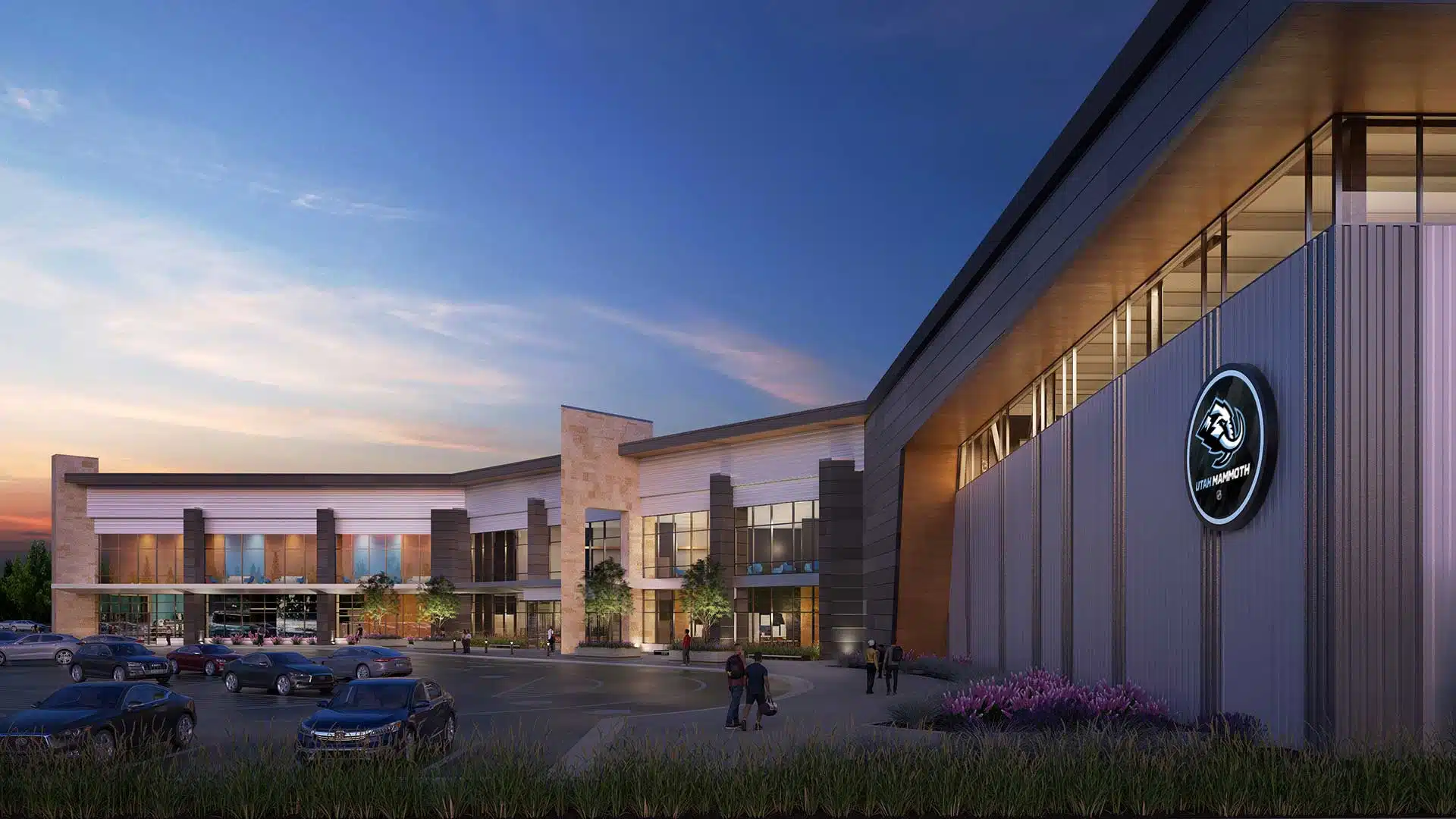
Populated 3D renderings use realistic human activity to show how urban, commercial, and heritage spaces were actually experienced, not just how they were built. Research-driven crowds clarify scale, circulation, and purpose, helping museums, universities, and preservation teams communicate cultural meaning to the public. When people are placed intentionally, the visuals feel more credible, more emotionally engaging, and more useful for education, exhibitions, and funding support.
Key Takeaways
- Human presence adds context by showing scale, movement paths, and how a space functioned in daily life.
- Crowds work best as a design layer, where density and behavior communicate whether an environment feels ceremonial, commercial, or routine.
- Research and expert collaboration guide clothing, posture, grouping, and activities so scenes feel accurate and culturally sensitive.
- Populated visuals help public-facing projects by making reconstructions easier to understand, strengthening stakeholder buy-in for exhibits, teaching, and preservation funding.
Architectural spaces are never truly static. They are shaped, defined, and understood through the people who move through them. When historic buildings are lost, damaged, or only partially preserved, it is not just walls and structures that disappear. The daily life that once animated those spaces fades with them. This is where architectural visualization becomes more than a technical service. It becomes a way to restore context, meaning, and cultural memory.
At Bowen Studios, architectural 3D rendering is approached as both a design discipline and a storytelling tool. By combining accurate architectural reconstruction with thoughtfully populated scenes, Bowen Studios helps historians, museums, universities, and preservation teams visualize how spaces once functioned in the real world. When people are placed with intention, 3D rendering acts as a time machine, allowing audiences to step back into environments that no longer physically exist.
Through work with cultural institutions, historians, and architects, Bowen Studios applies realistic human activity to urban, commercial, and heritage visualizations to help audiences better understand how spaces once functioned.
Why Human Presence Matters in Architectural and Cultural Visualization
Architecture Was Designed for People
Architecture gains meaning through use. A temple, marketplace, civic plaza, or museum was never intended to exist in isolation. Without people, even the most accurate reconstruction can feel abstract or incomplete. Human presence clarifies scale, circulation, and purpose. It shows how architecture supported daily rituals, commerce, governance, or community life.
For historians and architects working on restoration projects, populated scenes provide a clearer understanding of how a space was experienced rather than simply how it was built.
Crowds as Context, Not Decoration
In professional architectural visualization, people are not decorative elements added at the end of a project. When done correctly, crowds serve a functional role. Their placement, density, and behavior communicate how a space worked.
A sparsely populated courtyard tells a different story than a bustling market. A formal procession suggests civic or religious significance, while casual movement implies everyday use. Bowen Studios treats populated scenes as a layer of architectural information, not visual filler.
Emotional Engagement and Public Understanding
Populated visualizations are especially powerful for public-facing projects. Museum visitors, donors, and community stakeholders often struggle to interpret ruins, floor plans, or academic descriptions alone. Seeing people interact with a reconstructed space creates emotional clarity. It helps viewers imagine themselves within the environment and understand why the site mattered historically. UNESCO emphasizes that digital heritage plays an important role in ensuring access to cultural knowledge and supporting public understanding when physical heritage is fragile, altered, or no longer accessible.
This emotional connection plays a critical role in public education, exhibition design, and preservation advocacy.
Using 3D Rendering as a Time Machine for Cultural Memory
Reconstructing What No Longer Exists
Many culturally significant sites are incomplete due to time, environmental damage, or human conflict. In some cases, full physical restoration is not possible or appropriate. Architectural visualization allows researchers and institutions to support historical reconstruction by reconstructing these spaces digitally while preserving the integrity of the remaining structures. CyArk describes how accurate 3D documentation of cultural heritage sites supports conservation, research, and education, especially when sites are at risk.
Through careful modeling and historical research, Bowen Studios helps clients visualize buildings as they once stood, even when only fragments remain.
Populated Scenes in Archaeological and Heritage Projects
In archaeological visualization, people provide essential context. They help illustrate how spaces were used, who occupied them, and how social structures shaped the built environment. Clothing, posture, grouping, and movement patterns are all informed by research rather than assumptions.
For cultural heritage projects, populated scenes help translate scholarly findings into visuals that are accessible to a broader audience without oversimplifying the underlying research.
From Ruins to Lived Environments
A powerful application of 3D rendering is the ability to show transformation over time. A single site can be presented as it appears today, alongside a reconstructed version populated with human activity from a specific historical period. This layered approach supports education, interpretation, and long-term preservation planning.
How Realistic Crowds Are Designed in Architectural Visualization
Research Driven Human Modeling
Realistic populated scenes begin with research. Bowen Studios collaborates closely with historians, archaeologists, architects, and curators to ensure that figures reflect the cultural, social, and functional realities of the period being visualized.
Primary sources such as texts, drawings, artifacts, and site documentation inform everything from clothing to posture. This research driven approach builds trust and credibility, especially for academic and institutional audiences.
Behavior, Movement, and Spatial Logic
How people move through a space is as important as how they look. Effective populated scenes follow architectural logic. Circulation paths align with entrances, sightlines, and gathering areas. Activities occur where they make sense structurally and socially.
This attention to movement helps avoid unnatural clustering or visual confusion while reinforcing the original intent of the architecture.
Detail Without Distraction
Not every figure needs to be highly detailed. In many cases, subtlety is more effective. Bowen Studios carefully balances realism with visual clarity so that people enhance the architecture rather than compete with it.
Lighting, scale, and depth are used to guide attention, ensuring that populated scenes support the narrative without overwhelming the viewer.
Applications Across Museums, Universities, and Preservation Efforts
Museum Exhibitions and Immersive Displays
Museums increasingly rely on digital visualization to supplement physical artifacts. Populated architectural renderings help visitors understand how objects, buildings, and spaces functioned together. These visuals can be used in large format displays, interactive kiosks, immersive installations, or 3D animation.
By visualizing people in context, museums create experiences that are both educational and emotionally resonant.
Academic and Institutional Research
Universities and research institutions use populated renderings as visual hypotheses. These images support teaching, publications, and presentations by offering a spatial interpretation of historical data.
Rather than replacing scholarship, visualization enhances it by making complex ideas easier to explore and discuss.
Public Engagement and Funding Support
Preservation efforts often rely on public interest and financial support. Clear, compelling visuals, including virtual tours, help communicate why a site matters and how restoration efforts will benefit future generations. Populated scenes are particularly effective in grant applications and donor presentations, where emotional clarity supports rational decision making.
Commercial and Urban Use Cases with Cultural Sensitivity
Adaptive Reuse and Restoration Projects
When historic structures are adapted for modern use, populated visualizations help stakeholders understand how contemporary life can coexist with architectural heritage. These images, including interior architectural renderings, show scale, flow, and functionality while respecting the original character of the space.
Urban Context and Civic Identity
Populated scenes are also valuable in urban planning and civic projects with historical significance. They help decision makers and communities visualize public life within restored or revitalized environments through exterior architectural renderings, supporting thoughtful dialogue and approvals.
What Sets Expert Architectural Visualization Apart
Avoiding Generic or Stock Crowds
Generic human assets can undermine credibility, especially in cultural or academic work. Poorly chosen figures distract from the architecture and weaken trust in the visualization.
Bowen Studios avoids stock solutions in favor of custom population strategies that align with each project’s goals and audience.
Trust, Accuracy, and Ethical Representation
Visualizing history carries responsibility. Every populated scene represents an interpretation of the past. Transparency, research, and restraint are essential to ensure that visuals inform rather than mislead.
This ethical approach is central to Bowen Studios’ work with cultural institutions and preservation teams.
Working With a Visualization Partner Who Understands Architecture
Populated scenes are most effective when they are integrated into the architectural design process rather than added at the end. Architectural expertise ensures that people, structure, lighting, and environment work together cohesively.
Thoughtful Visualization for Cultural and Architectural Preservation
For institutions and professionals working to preserve architectural history, visualization is more than presentation. It is a tool for understanding, engagement, and continuity. Bowen Studios works alongside historians, architects, and cultural organizations to create populated architectural visuals that honor the past while making it accessible in the present.
These visuals help transform research into experiences that resonate with scholars, stakeholders, and the public alike.
Bringing History Back to Life Through Architectural Visualization
If you are exploring ways to interpret, preserve, or communicate the significance of an architectural site, a populated 3D rendering can offer clarity that drawings and text alone cannot. Bowen Studios brings architectural expertise, research driven workflows, and a deep respect for cultural context to every project, as shown across our case studies.
Teams working on restoration, cultural heritage, or institutional projects can reach out to discuss how populated architectural visualization can support their goals.
Before starting, it helps to address a few practical considerations that often come up when institutions begin exploring populated architectural visualization.
Frequently Asked Questions
Why are crowds important in historical architectural visualization?
Crowds provide scale, context, and insight into how spaces were used. They help viewers understand function, social structure, and movement within an architectural environment.
How do 3D artists know what people looked like in historic spaces?
Artists rely on historical research, primary sources, artifacts, and expert collaboration to inform clothing, posture, and activity, ensuring accuracy and cultural sensitivity.
Are populated renderings accurate or interpretive?
They are informed interpretations based on research. Clear methodology and collaboration help balance accuracy with visual storytelling.
Can populated scenes be used in museums and academic settings?
- Museum exhibitions and immersive displays
- Educational materials and lectures
- Academic publications and presentations
- Grant proposals and public outreach
How do populated renderings support preservation efforts?
They help communicate value, engage the public, and support funding by showing how sites functioned as lived environments rather than abstract structures.